Farnova Pest Management Services logoFarnova Pest Management Services
Subterranean Termite Remediation · Saint Louis, MO

Pest Control Service

Securing a professional pest control service Saint Louis property owners can rely on establishes an immediate structural barrier against invasive Missouri pests. Historic brick foundations, humid river valley summers, and mature urban tree canopies create consistent pressures from subterranean termites, rodents, and seasonal wood-destroying insects across the metro area.

Talk to a real Saint Louis pro

No forms — call now for a fast, no-pressure quote.

📞 Call (417) 510-5462
Subterranean Termite RemediationStructural Rodent ExclusionGerman Cockroach Eradication
Pest Control Service in Saint Louis, MO
Subterranean Termite Remediationin Saint Louis, MO

How does professional pest control service work in Saint Louis?

Pest control service in Saint Louis is a specialized biological and structural remediation process that identifies, eliminates, and blocks target insect and vertebrate populations from residential and commercial structures.

Why Saint Louis homeowners choose Farnova Pest Management Services

  • Comprehensive on-site property diagnostics pinpoint specific entry vectors, moisture sources, and harborage zones across basements, crawlspaces, brick foundation ledges, and attics.
  • Targeted Integrated Pest Management (IPM) protocols emphasize mechanical exclusion, physical harbor abatement, and micro-targeted bio-rational applications to safeguard children, pets, and interior air quality.
  • Standard on-site service evaluations and baseline treatment applications start at an initial investment of $250, with confirmed pricing finalized after visual structural inspection.
  • Rapid localized deployment covers historic multi-wythe brick masonry homes, multi-family apartment buildings, and commercial facilities throughout the independent city of St. Louis and St. Louis County.
Subterranean Termite Remediation
Structural Rodent Exclusion
German Cockroach Eradication
Our Expertise

Crafted with Precision

Every service reflects the same meticulous attention to detail — whether it's a single job or a larger pest control service project across Saint Louis.
Subterranean Termite Remediation in Saint Louis, MO

Subterranean Termite Remediation

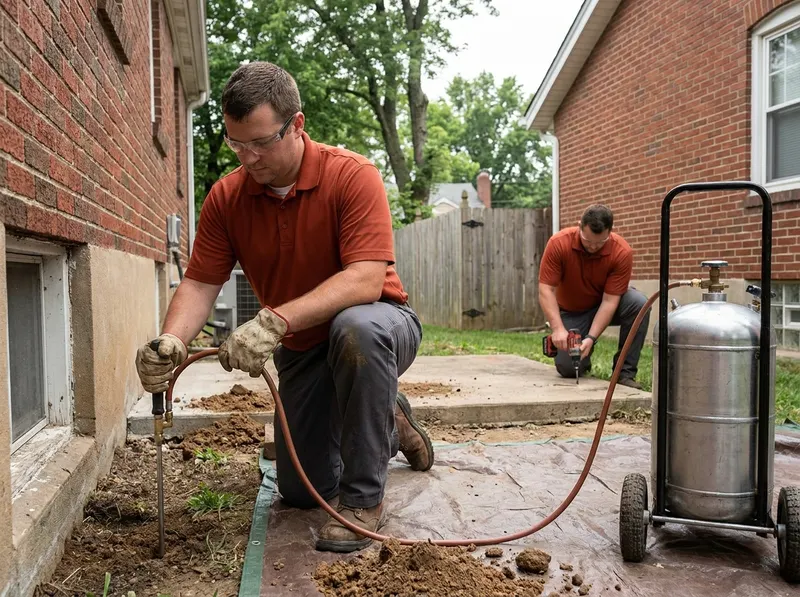
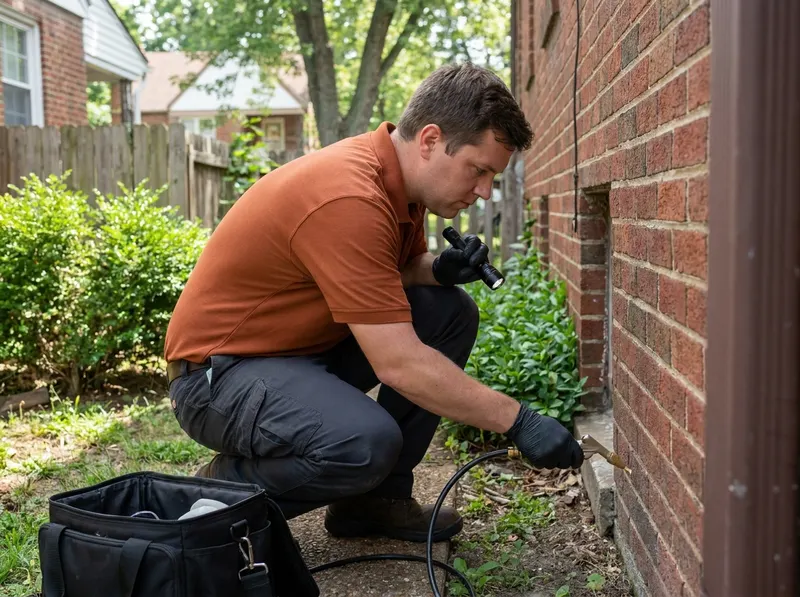
Subterranean termite defense utilizes precision liquid soil treatments and monitored perimeter baiting arrays to eliminate subterranean Reticulitermes flavipes colonies before they damage structural wood framing. Technicians trench and treat foundational soil perimeters, inject termiticide into hollow masonry voids, and establish continuous subterranean chemical barriers around limestone, poured concrete, and brick foundations. Continuous cellular monitoring detects subterranean worker movements, delivering non-repellent active ingredients directly to the reproductive queen and nest center. This approach stops structural cellulose degradation, preserves foundational load-bearing studs, and provides lasting protection against spring swarm incursions without disturbing indoor living environments.

View details →
Structural Rodent Exclusion in Saint Louis, MO

Structural Rodent Exclusion

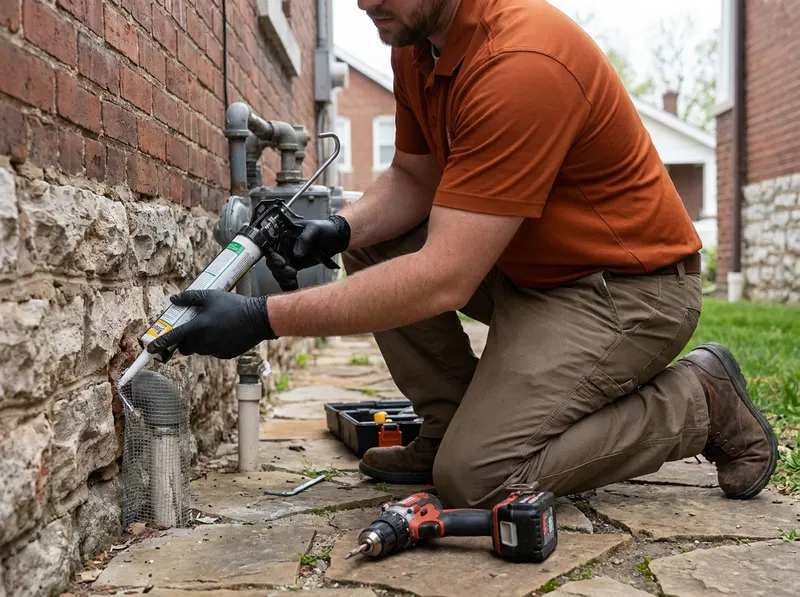
Structural rodent exclusion seals exterior vulnerability zones to eliminate house mice (Mus musculus) and Norway rats (Rattus norvegicus) from residential basements, attics, and wall cavities. Technicians conduct detailed structural envelope inspections, identifying entry gaps as small as one-quarter inch along foundation sill plates, crawlspace access doors, sewer line penetrations, and roof drip edges. Mechanical barriers constructed from heavy-duty galvanized steel mesh, copper mesh packing, and metal flashing permanently close access points without deteriorating over time. Interior containment utilizes targeted snap-trapping matrices placed strictly along verified run lines, eliminating active rodent populations rapidly without relying on indoor rodenticides that cause animal decay inside walls.

View details →
German Cockroach Eradication in Saint Louis, MO

German Cockroach Eradication

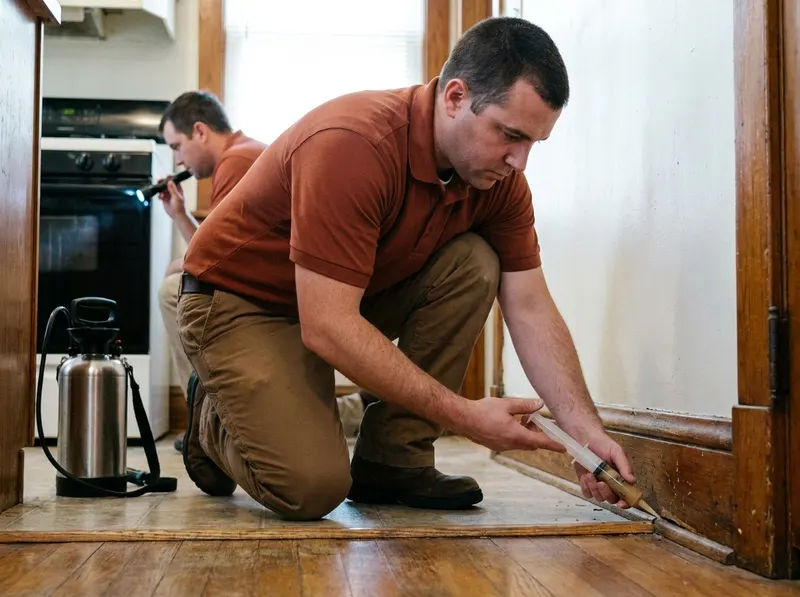
German cockroach (Blattella germanica) management eliminates indoor reproductive populations within kitchens, bathrooms, and utility closets through targeted micro-baiting and insect growth regulators. Technicians inspect behind commercial and residential refrigeration units, dishwasher recesses, hollow cabinet corners, and plumbing voids where moisture and warmth support egg capsule (ootheca) development. Treatments deploy non-repellent, high-palatability gel baits alongside targeted IGR formulations that disrupt the chitin synthesis lifecycle, sterilizing adult females and preventing nymph maturation. Precision crack-and-crevice dusting inside electrical chases and void spaces ensures comprehensive mortality across all biological developmental stages, eradicating infestations without airborne chemical broadcasting.

View details →
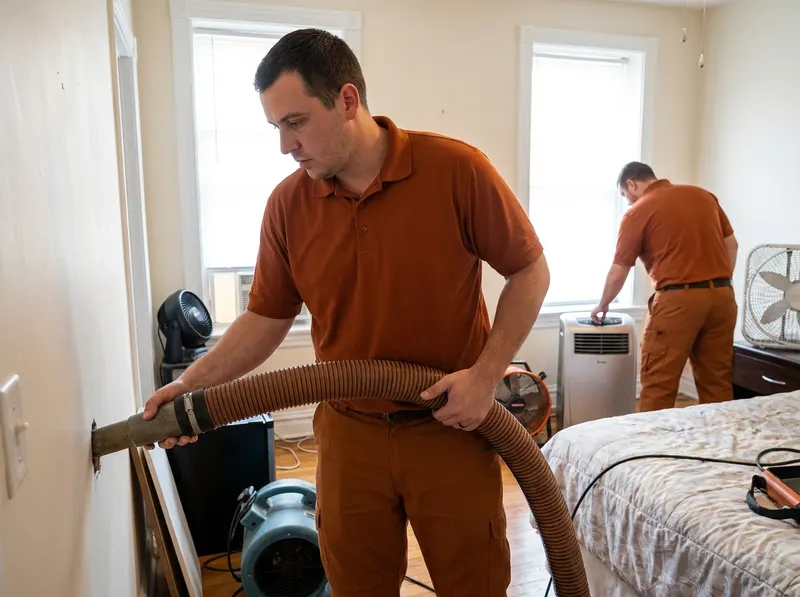
Bed Bug Thermal and Targeted Treatment in Saint Louis, MO

Bed Bug Thermal and Targeted Treatment

Bed bug (Cimex lectularius) remediation neutralizes adult insects, nymphs, and dormant egg clusters harbored inside mattress seams, headboards, baseboard crevices, and wall outlets. Protocol options include targeted thermal convection remediation that raises ambient structural temperatures to lethal thermal thresholds of 122°F to 135°F, penetrating deep into furniture framing and floorboards. Thermal treatments are paired with targeted bio-rational residual applications and desiccant dusts within structural wall cavities to create lasting defensive boundaries. This comprehensive scientific protocol eradicates pesticide-resistant populations in a single detailed treatment cycle, restoring sanitary peace of mind and eliminating nighttime bite exposures for homeowners and multi-family residents.

View details →
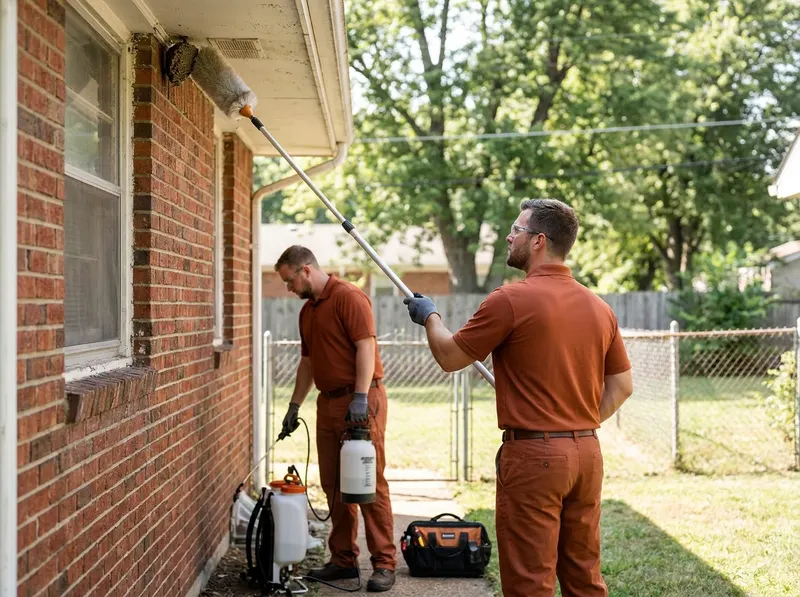
Stinging Insect and Nest Abatement in Saint Louis, MO

Stinging Insect and Nest Abatement

Stinging insect abatement neutralizes aggressive aerial and subterranean colonies of paper wasps, bald-faced hornets, and yellow jackets surrounding exterior roof eaves, porches, sheds, and landscape voids. Certified technicians deploy targeted knock-down formulations and specialized micro-aerosol delivery tools to neutralize defensive colonies safely from ground level or elevated extension ladders. In ground-nesting scenarios, pressurized botanical dusts treat subterranean burrow entrances to eliminate yellow jacket nests without disturbing turf or root systems. Following complete colony neutralisation, physical nest structures are systematically removed and surface attachment zones are treated with residual deterrents to prevent secondary nest construction in subsequent seasons.

View details →
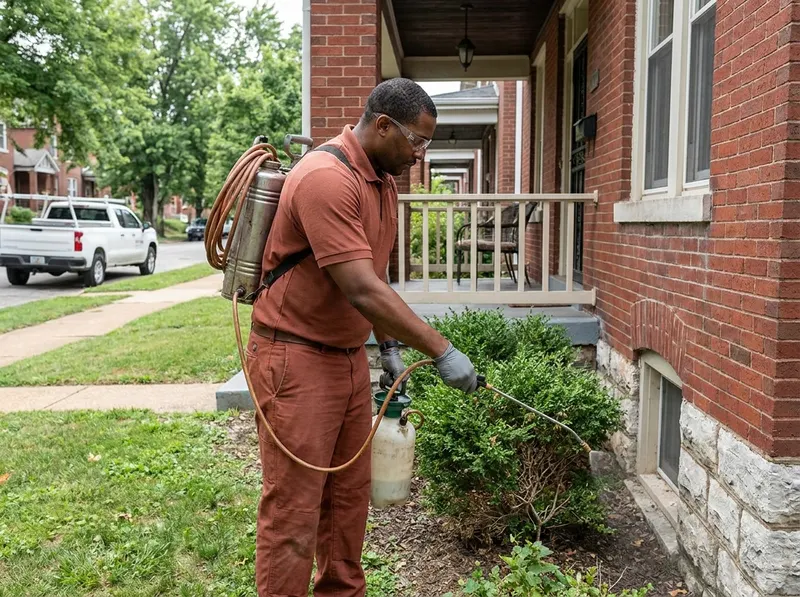
Seasonal Exterior Perimeter Defense in Saint Louis, MO

Seasonal Exterior Perimeter Defense

Seasonal exterior perimeter defense establishes a multi-tiered protective barrier around residential foundations to block crawling arthropods, including odorous house ants, centipedes, millipedes, crickets, and wolf spiders. Technicians apply micro-encapsulated liquid barriers in a continuous band extending three feet up the foundation wall and six feet out across adjacent mulch, soil, and hardscape borders. De-webbing tools clear spider harborage and egg sacs from soffits, window frames, light fixtures, and exterior doorways. Granular moisture-resistant barrier applications in perimeter planting beds intercept foraging insects before they reach structural weep screeds or basement sill plates, maintaining a protective exterior shield through humid Missouri summers.

View details →
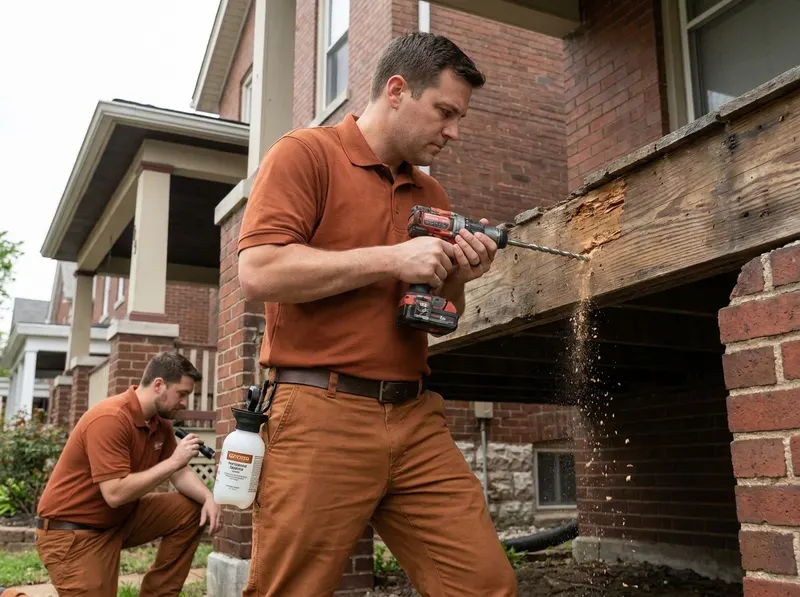
Wood-Boring Carpenter Ant Remediation in Saint Louis, MO

Wood-Boring Carpenter Ant Remediation

Carpenter ant (Camponotus pennsylvanicus) remediation eliminates satellite nesting colonies and foraging workers that excavate structural wall framing, window headers, and roof trusses. Technicians trace moisture gradients and exterior foraging trails originating from mature tree branches, landscape timbers, or historic foundation timber dampness. Specialized non-repellent transfer insecticides and bait matrixes are applied directly to structural voids and exterior foraging pathways, allowing worker ants to transfer active ingredients to interior satellite and parent nests. Structural moisture sources are identified for mechanical correction, halting internal wood excavation and safeguarding the structural stability of the home.

View details →
Brown Recluse Spider Management in Saint Louis, MO

Brown Recluse Spider Management

Brown recluse (Loxosceles reclusa) management addresses established arachnid populations harboring within dark, undisturbed areas such as unfinished basements, crawlspaces, attic insulation, and storage boxes. Technicians execute methodical void dusting using microscopic inorganic desiccant formulations that adhere to spider exoskeletons, breaking down protective waxy layers to cause rapid dehydration. Strategic sticky monitoring stations are deployed throughout baseboard perimeters, boiler closets, and wall corners to track population counts and verify eradication progress. By combining mechanical harbor reduction, void treatment, and targeted baseboard applications, this service systematically clears dangerous venomous spiders from living quarters.

View details →

Pest control service in Saint Louis is a specialized biological and structural remediation process that identifies, eliminates, and blocks target insect and vertebrate populations from residential and commercial structures.

  • Comprehensive on-site property diagnostics pinpoint specific entry vectors, moisture sources, and harborage zones across basements, crawlspaces, brick foundation ledges, and attics.
  • Targeted Integrated Pest Management (IPM) protocols emphasize mechanical exclusion, physical harbor abatement, and micro-targeted bio-rational applications to safeguard children, pets, and interior air quality.
  • Standard on-site service evaluations and baseline treatment applications start at an initial investment of $250, with confirmed pricing finalized after visual structural inspection.
  • Rapid localized deployment covers historic multi-wythe brick masonry homes, multi-family apartment buildings, and commercial facilities throughout the independent city of St. Louis and St. Louis County.
  • Direct service dispatch, emergency pest diagnostics, and structural exclusion consultation scheduling are available immediately by calling (417) 510-5462.
The Farnova Pest Management Services standard

Why Saint Louis keeps calling us back

01

A clear, written price

You get a firm, itemized quote for your pest control service before any work begins — no surprises, no pressure.

02

Your property, protected

Careful prep, tidy work, and a full cleanup when we are done. We treat your home and belongings like our own.

03

One crew, start to finish

The same trusted, background-checked team from the first call to the final check.

Buyer's guide

How to choose the right pro

Selecting the proper remediation strategy depends directly on the biological target, the architectural vulnerabilities of your property, and the severity of structural penetration. If visual rodent droppings, shredded insulation, or dark sebum rub marks appear along basement rim joists, subflooring, or crawlspace floor plates, choose structural rodent exclusion combined with interior mechanical trapping. This multi-phase approach establishes an impenetrable exterior perimeter by mechanically sealing foundation gaps, mortar separations, weep holes, and plumbing penetrations down to one-quarter inch using heavy-gauge welded wire mesh and elastomeric compounds, while simultaneously eliminating trapped indoor populations without secondary poisoning hazards. If spring warming brings sudden swarms of winged reproductive insects near basement slabs, exterior mud tubes climbing limestone masonry, or discarded wings on window sills, select focused subterranean termite remediation. This method deploys deep non-repellent liquid soil barrier injections along foundational footing zones or installs monitored subterranean baiting matrices around the property perimeter to intercept subterranean worker castes before structural cellulose framing is compromised. If seasonal paper wasps, bald-faced hornets, odorous house ants, or wolf spiders compromise exterior living areas, patios, and structural entry thresholds during humid summer surges, opt for targeted seasonal perimeter defense. This treatment applies micron-sized barrier applications across foundation splash lines, exterior window surrounds, soffit junctions, and eaves to neutralize foraging insects before they migrate indoors. If multi-unit buildings or residential kitchens experience active nighttime sightings of German cockroaches around warm appliances, sink cabinets, and wall voids, choose comprehensive biological insect growth regulator (IGR) remediation paired with targeted micro-encapsulated baits. The fundamental trade-off between seasonal perimeter defense and deep structural exclusion centers on interior structural access versus long-term mechanical barrier integrity: exterior perimeter applications establish an active defensive chemical boundary against transient outdoor insects, whereas structural exclusion demands physical carpentry and masonry remediation to permanently seal the envelope of historic St. Louis architecture against persistent rodents and nesting colonial pests.

Investment

What it costs

Every project gets a firm, written price after a free on-site visit. Ranges below for orientation.

Initial Structural Diagnostic Assessment and Inspection$250 – $350
Seasonal Exterior Perimeter Insect Defense Application$250 – $425
Targeted Rodent Exclusion and Interior Trapping Setup$275 – $650
German Cockroach Multi-Visit Cleanout Program$300 – $750
Subterranean Termite Perimeter Soil Barrier Installation$650 – $1,800
Single-Room to Whole-Home Bed Bug Remediation$450 – $1,600
Brown Recluse Spider Whole-Home Void Treatment$375 – $850
Stinging Insect Nest Abatement and Eaves Treatment$250 – $450
Wood-Boring Carpenter Ant Colony Elimination$325 – $675
Comprehensive Flea and Tick Interior/Yard Remediation$275 – $525
Commercial Facility Auditable Monthly Defense Program$250 – $550
Free, no-pressure estimate

Ready to get it done right?

Tell us about your pest control service job and we'll send a clear, written quote — usually the same day. Or just call and talk to a real Saint Louis pro.

(417) 510-5462
Where we work

Areas we cover

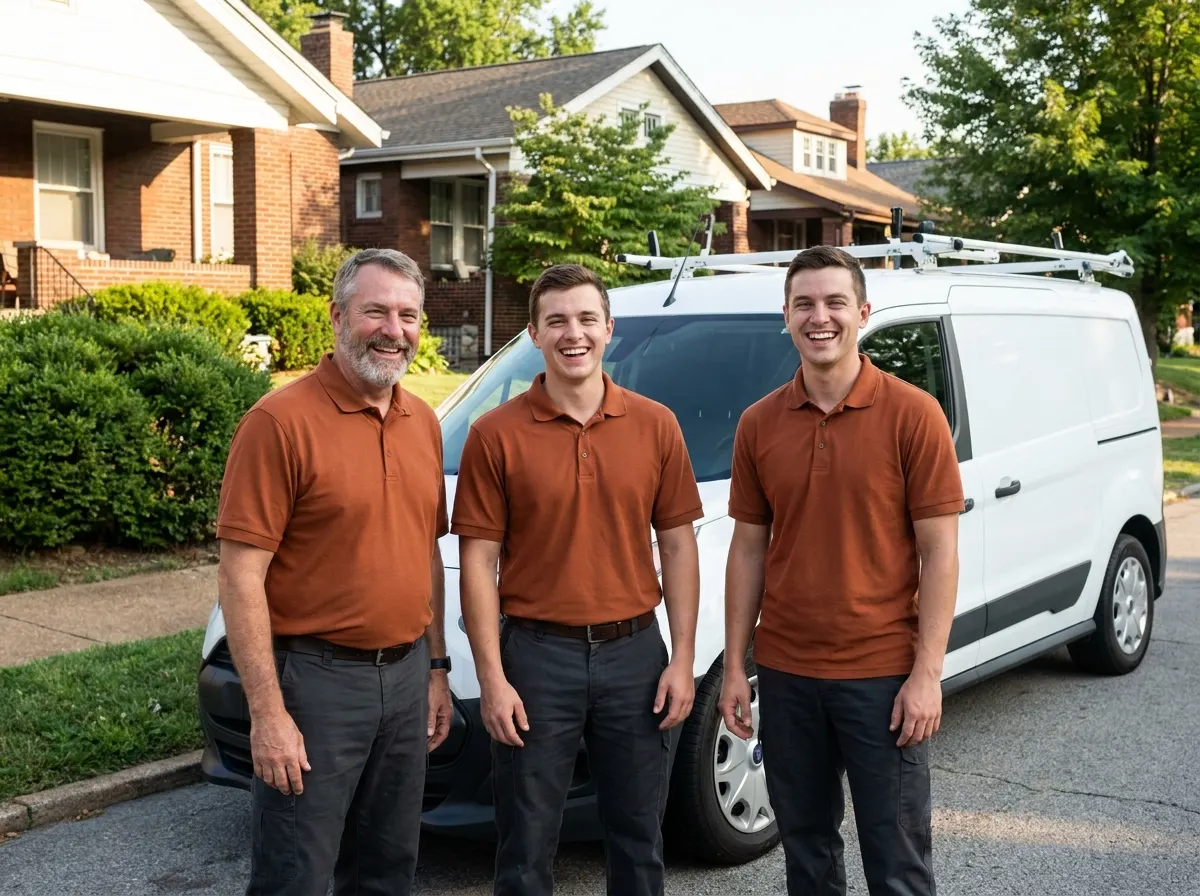
Farnova Pest Management Services pest control service team in Saint Louis, MO

Saint Louis properties possess architectural characteristics and environmental conditions that require specialized pest management knowledge. The city features a dense inventory of historic masonry structures constructed between the late 1800s and mid-1900s, featuring multi-wythe brick walls, soft lime mortar joints, rubble limestone foundations, and internal radiator pipe chases. Over decades of ground settlement and exposure to Midwest freeze-thaw cycles, mortar lines can develop small fissures that serve as direct subterranean highways for mice, rats, and subterranean termites. The geographical position of Saint Louis near the confluence of the Mississippi and Missouri Rivers creates sustained high summer humidity levels that accelerate insect reproductive cycles and elevate wood moisture content in older crawlspaces and unfinished basements. Furthermore, densely populated historic neighborhoods such as Soulard, Lafayette Square, Benton Park, and Shaw are situated near expansive municipal green spaces like Tower Grove Park, Forest Park, and the Missouri Botanical Garden. These mature urban canopies and river-valley water tables provide continuous outdoor harborage for wildlife and insect populations, which migrate toward residential foundations as autumn temperatures drop. Effective local pest defense requires deep familiarity with local building styles, ranging from historic brick duplexes in South City to modern slab-on-grade homes in West County, pairing physical exclusion carpentry with targeted bio-rational applications suited for Missouri weather patterns.

SoulardCentral West EndTower Grove SouthThe HillLafayette SquareDogtownBenton ParkShawLindenwood Park
Questions

Common questions

How much does professional pest control service cost in Saint Louis?
Professional pest control service in Saint Louis starts at a minimum baseline of $250 for targeted initial evaluations, single-pest interventions, and perimeter defense applications. Comprehensive whole-home programs—such as extensive subterranean termite liquid soil barriers or multi-point structural rodent exclusion projects—range higher based on square footage, foundation construction material, and severity of infestation. Because historic limestone foundations and complex multi-family layouts present distinct structural variables, exact project pricing is established during a thorough on-site physical evaluation.
Are pest control service treatments safe for children and pets in Saint Louis homes?
Treatments prioritize child and pet safety by employing modern Integrated Pest Management (IPM) methodologies rather than broad-spectrum chemical spraying. Technicians place target-specific gel baits, micro-encapsulated formulations, and inorganic dusts deep inside inaccessible structural wall voids, behind electrical faceplates, inside locked tamper-resistant exterior bait stations, and along exterior foundation splash zones. Once exterior and interior liquid applications have fully dried (typically within two to four hours), treated areas are safe for normal family and pet activity.
Why are historic homes in Saint Louis neighborhoods more vulnerable to pest infestations?
Historic homes in neighborhoods like Soulard, Lafayette Square, Central West End, and Benton Park frequently feature aging lime mortar, rubble limestone foundations, and original wood framing that have experienced seasonal settlement over a century. These structural traits create sub-surface voids, unsealed radiator pipe channels, and exterior masonry gaps that provide shelter and entry pathways for mice, brown recluse spiders, and subterranean termites. In addition, mature shade trees with overhanging limbs offer direct canopy bridges for rodents and carpenter ants seeking attic access.
How quickly can an extermination team evaluate an active infestation in Saint Louis?
On-site diagnostic assessments across both St. Louis City and St. Louis County are typically scheduled within 24 to 48 hours of initial customer contact. For acute residential pest emergencies involving active subterranean termite swarms, aggressive stinging insect hives near entryways, or severe rodent activity inside food preparation areas, dispatch teams prioritize rapid routing. Homeowners and commercial facility managers can coordinate priority diagnostic visits directly by calling (417) 510-5462.
Do Saint Louis homeowners need continuous year-round pest defense contracts?
Continuous annual contracts are not mandatory for every residential property, as isolated issues like single wasp nests or localized ant trails can often be resolved with one-time targeted remediations and mechanical exclusion. However, because the Saint Louis climate features four distinct biological cycles—spring subterranean termite swarming, summer mosquito and stinging insect surges, autumn rodent invasions, and winter indoor spider harborage—a scheduled quarterly maintenance plan provides continuous preventive defense against seasonal pest incursions.
How does pest control service manage brown recluse spiders in Saint Louis basements and attics?
Brown recluse management requires a targeted approach focusing on void dusting, harbor reduction, and ongoing monitoring. Because brown recluse spiders have long legs that keep their bodies elevated above standard residual spray films, technicians use micro-fine desiccant dusts injected directly into wall cavities, unfinished basement floor joists, attic insulation, and drop-ceiling voids. Insect growth regulators and extensive sticky monitoring boards are positioned along perimeter baseboards to track density and reduce the spider's insect food supply.
What structural signs indicate a subterranean termite infestation in Saint Louis properties?
Key structural indicators of subterranean termites include mud foraging tubes constructed along concrete foundation walls or basement limestone, discarded translucent insect wings on window sills during spring warming spikes, and hollow-sounding wood framing along floor joists and baseboards. Homeowners may also observe bubbling or blistering paint that resembles moisture damage along drywall. A professional inspection confirms whether wood damage is caused by subterranean termites, carpenter ants, or moisture-related fungal decay.
How does structural rodent exclusion differ from standard indoor rodent poisoning in Saint Louis?
Structural rodent exclusion focuses on permanently sealing exterior building entryways rather than placing chemical rodenticides inside living spaces. Technicians install physical barriers such as heavy-gauge welded wire mesh, copper mesh, and industrial elastomeric sealants over foundation gaps, pipe penetrations, and roofline openings to stop rodent entry permanently. Mechanical snap trapping inside captures existing indoor rodents, preventing unpleasant odors and secondary poisoning hazards associated with rodents dying inside structural walls.
What preparation is required before a professional bed bug treatment in Saint Louis?
Preparation for bed bug remediation involves stripping all bedding, linens, and curtains, laundering them on high heat (at least 120°F), and sealing clean items in airtight plastic bags. Homeowners are advised to declutter closet floors, vacuum carpeting along baseboards thoroughly (disposing of vacuum bags outside immediately), and pull furniture at least twelve inches away from perimeter walls to give technicians unobstructed access to baseboards, electrical outlets, and furniture framing.
Can pest control service eliminate German cockroaches in Saint Louis multi-family apartment buildings?
Eliminating German cockroaches in multi-unit buildings requires an Integrated Pest Management protocol addressing shared wall voids and utility chases between adjacent units. Technicians deploy targeted insect growth regulators, micro-encapsulated baits, and non-repellent dusts into plumbing access panels, electrical chases, and cabinet voids where cockroaches travel between apartments. Educating residents on food storage, grease cleanup, and plumbing leak remediation ensures long-term eradication across multi-family properties.
How do weather shifts in Saint Louis affect seasonal pest activity around residential perimeters?
Saint Louis weather swings significantly influence pest behavior throughout the year. Heavy spring rains and warming soil temperatures trigger subterranean termite swarms and drive ground-dwelling ants toward higher foundation ground. Sustained river-valley summer humidity accelerates the lifecycle of mosquitoes, ticks, and stinging insects, while the first hard autumn freezes prompt field mice and roof rats to seek shelter inside warm basements, crawlspaces, and attics.
What should property managers do if pests are discovered in Saint Louis commercial food preparation areas?
Commercial kitchen operators should immediately document the specific sighting, avoid broadcasting over-the-counter aerosol insecticides over food prep surfaces, and contact a certified commercial pest specialist. Technicians inspect floor drains, refrigeration motor housings, grease traps, and dry storage shelving to pinpoint the source of the infestation. Remediation utilizes non-contaminating bait matrices, drain bio-foaming, and mechanical exclusion around back doors to maintain health department compliance and protect food safety.

Ready to get started?

Free estimates for Saint Louis & the surrounding area.

Saint Louis Pest Control Service guides

How Much Does Professional Pest Control Service Cost in Saint Louis MO? — Complete Guide →What is the average cost for subterranean termite treatment in Saint Louis? — Complete Guide →Do Saint Louis Pest Control Companies Offer Same-Day Emergency Extermination? — Complete Guide →Pest Control Frequency for Older Saint Louis Brick Homes →